
Honeycomb Shades vs Plantation Shutters:
Comparing Style, Cost, and Energy Efficiency
When it comes to choosing window furnishings, homeowners in Australia are spoiled for choice. Two of the most popular options are honeycomb shades (also known as cellular blinds) and plantation shutters. Both bring distinct advantages in terms of aesthetics, cost, and performance, but they cater to very different needs and preferences.
Whether you’re renovating your home or updating your interiors for better insulation, understanding how these two options compare will help you make a confident and cost-effective decision.
Style and Design Appeal
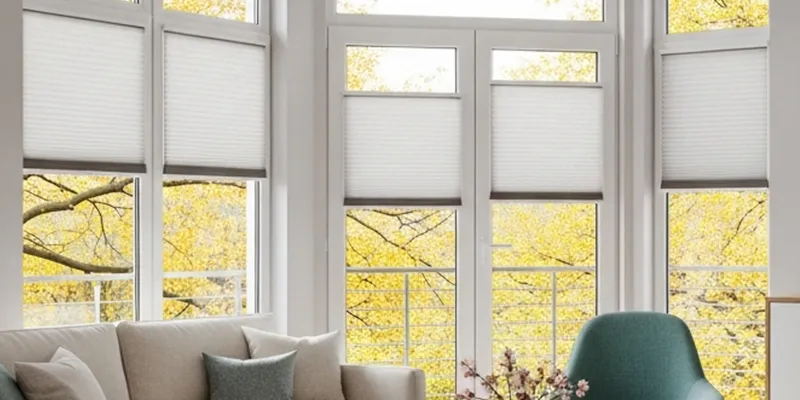
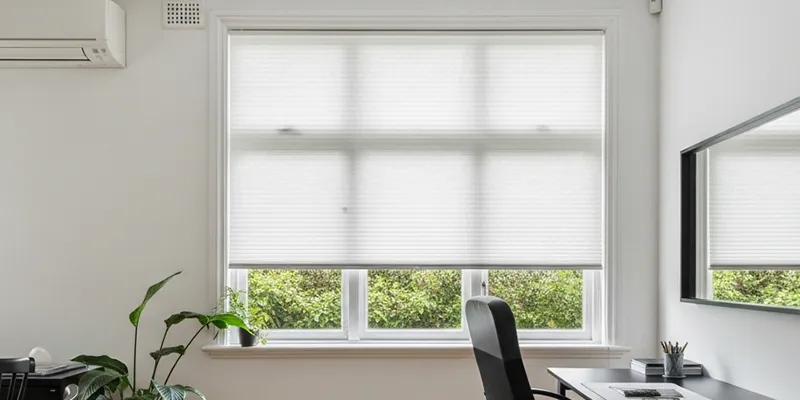
Honeycomb blinds are known for their sleek, modern aesthetic and soft appearance. Constructed from pleated fabric that forms a honeycomb-like structure, these shades add texture without overpowering the room. With our honeycomb blinds range, you can choose from a wide variety of colours, opacities, and cell sizes, allowing you to control how much light filters through. Their minimalist look makes them a great match for contemporary homes or small spaces where you want a clean, unobtrusive finish.
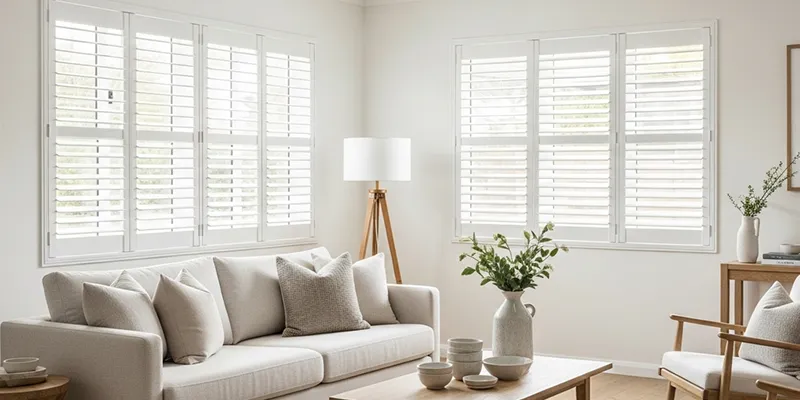
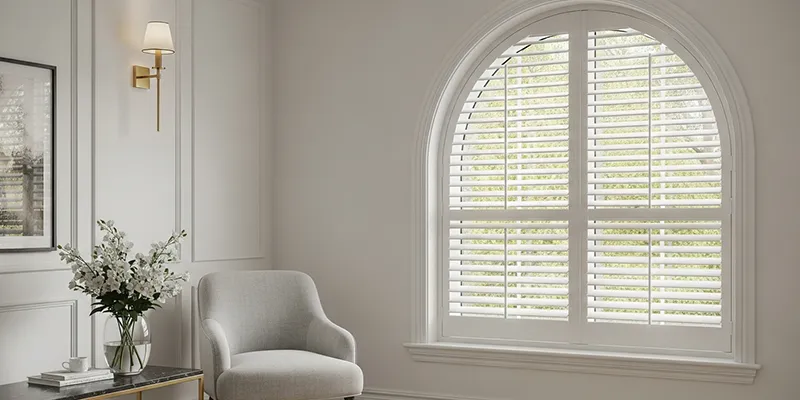
On the other hand, plantation shutters bring a timeless, architectural quality to interiors. Made from materials such as timber, PVC, or composite wood, they feature wide adjustable louvres that can be tilted to control light and airflow. Their crisp lines and elegant frame add character and structure to a room, making them a favourite for Hamptons-style, coastal, and traditional homes across Australia.
While honeycomb shades blend in, plantation shutters make a statement. The choice between the two often comes down to whether you want your window coverings to disappear into the background or become part of the design.
Cost Comparison
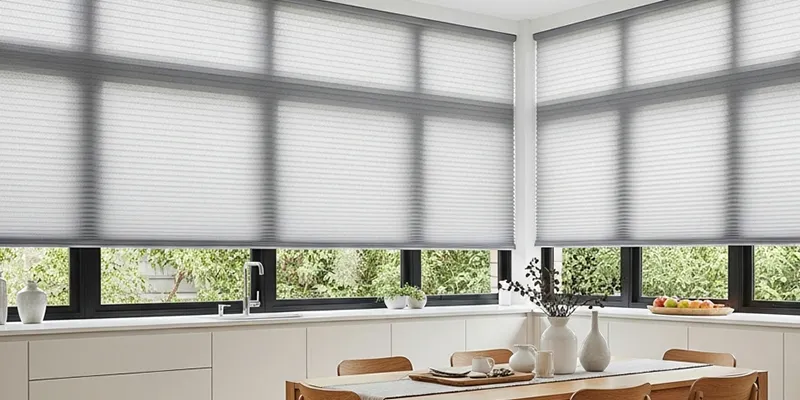
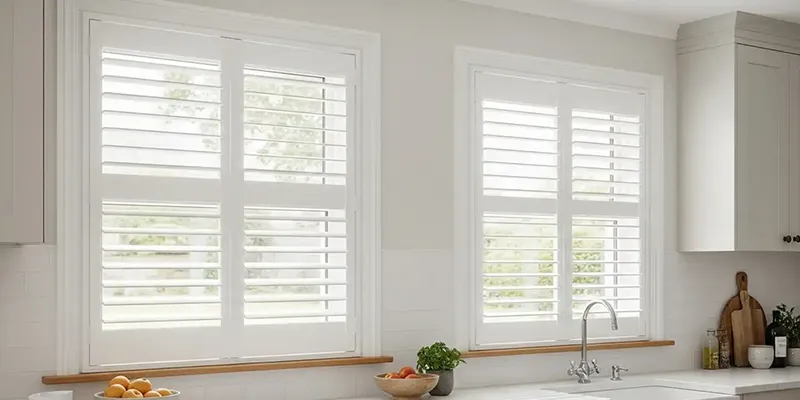
When it comes to cost, honeycomb shades are generally the more budget-friendly option. The price depends on the fabric type, light-filtering level, and whether they’re manual or motorised.
Plantation shutters, on the other hand, are a long-term investment. Real timber shutters are usually at the higher end of the price scale, while PVC or faux wood options are more affordable and moisture-resistant, ideal for kitchens and bathrooms.
While shutters may have a higher upfront cost, they add lasting value to your home. Many property experts consider plantation shutters a semi-permanent fixture that can increase a property’s appeal and resale value. Honeycomb shades, in contrast, are a stylish yet replaceable furnishing choice.
Energy Efficiency and Insulation
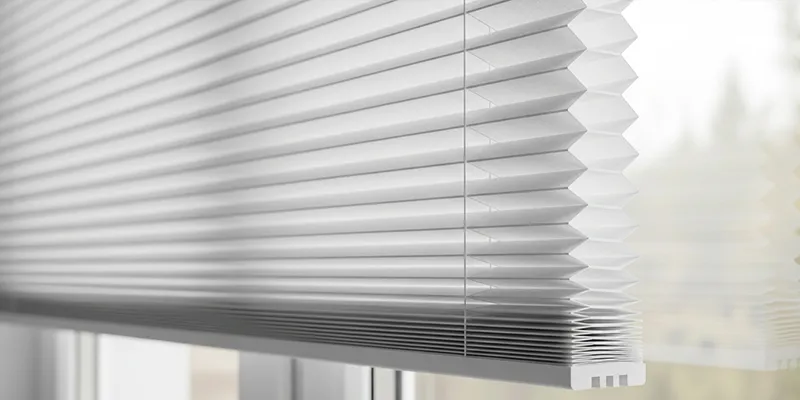
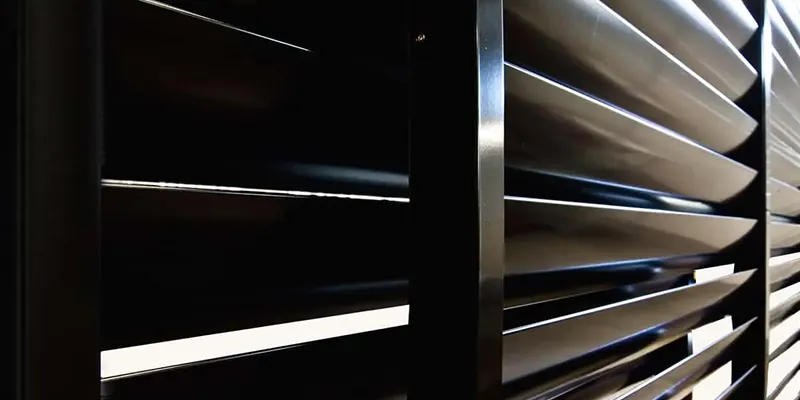
Australia’s diverse climate means energy efficiency is a key factor when choosing window coverings. Both plantation shutters and honeycomb shades offer insulation benefits, but they do so in different ways.
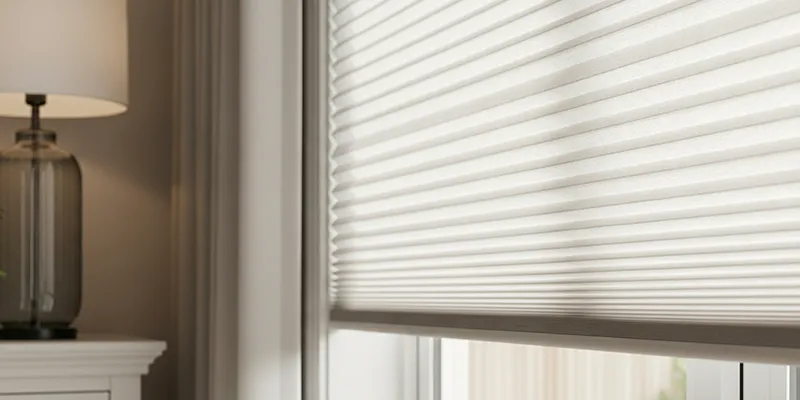
Honeycomb shades are designed specifically for insulation. The honeycomb structure traps air within its cells, creating a barrier between the indoor environment and the window surface. This helps keep heat out during summer and retains warmth during winter, reducing reliance on air conditioning or heating systems. Studies have shown that honeycomb blinds can reduce heat transfer through windows by up to 60%, making them one of the most energy-efficient blind types available.
Plantation shutters also provide good insulation, particularly when closed tightly. The solid panels and snug frame reduce draughts and direct sunlight, especially when made from high-quality materials. However, since shutters have small gaps between the louvres and frame, they generally don’t insulate as effectively as honeycomb shades.
That said, shutters are excellent for airflow control, you can open the louvres to allow breezes through in summer while maintaining privacy. This passive cooling effect can be especially valuable in coastal or subtropical regions.
Light Control and Privacy
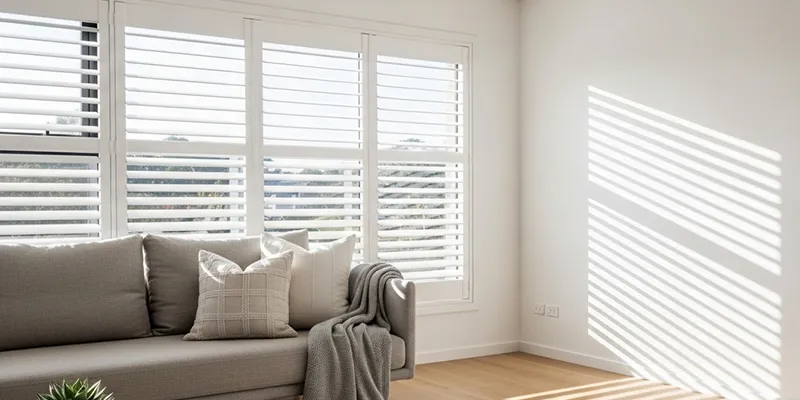
Plantation shutters provide excellent flexibility, you can adjust the louvres to allow partial light while maintaining privacy. You can even open the upper and lower sections separately (known as split tilt), which gives you precise control over sunlight and visibility. Shutters also completely block light when fully closed, ideal for bedrooms and media rooms.
Honeycomb shades, depending on the fabric, can range from sheer to complete blockout. Light-filtering fabrics diffuse daylight beautifully, while blockout versions offer full privacy and darkness. For added control, dual-cell or top-down bottom-up styles let you open from both ends, giving a balance of natural light and privacy.
Maintenance and Durability
When it comes to upkeep, both products are relatively low-maintenance, but the materials differ in durability.
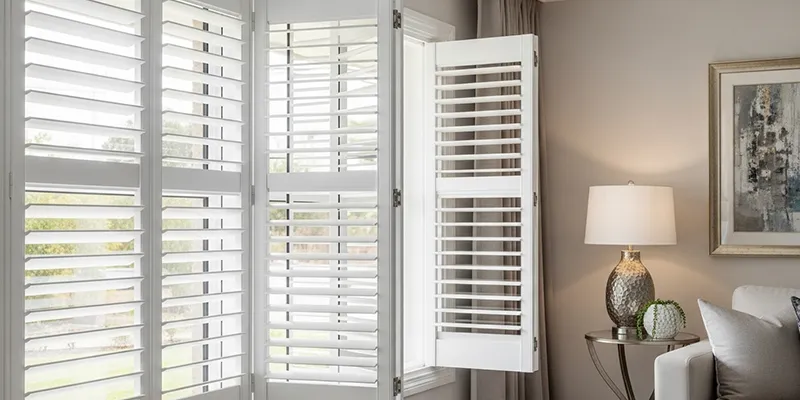
Plantation shutters are highly durable, particularly PVC or composite types, which resist warping, moisture, and UV damage. They’re easy to clean, a quick dust or wipe with a damp cloth keeps them looking fresh for years. High-quality shutters can last over two decades with minimal maintenance.
Honeycomb shades, while less rugged, are easy to care for. A gentle vacuum or dusting keeps them clean. However, they are fabric-based and may be more prone to wear, stains, or fading over time, especially in areas with strong sunlight or high humidity.
If long-term durability is your top priority, shutters come out ahead. But if you prefer something lightweight and flexible, honeycomb shades win for convenience.
Customisation and Installation
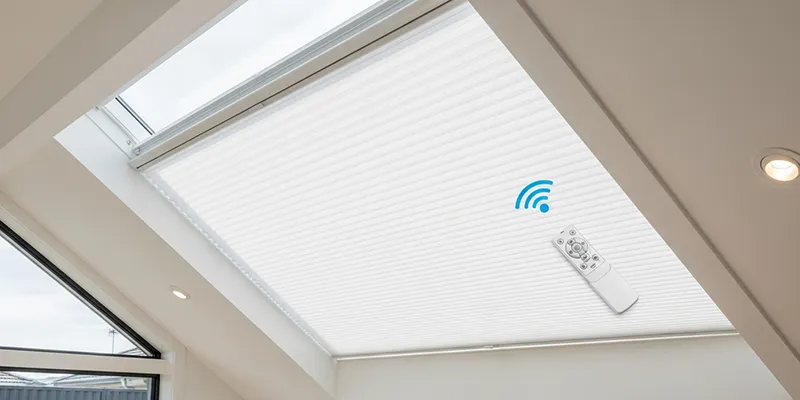
Honeycomb blinds are particularly versatile, they can be fitted to standard, bay, and even skylight windows. Motorised options make them ideal for hard-to-reach areas, adding convenience and modern appeal.
Plantation shutters can also be made to measure, with custom colours, frame styles, and blade sizes. They can be installed inside or outside the window frame and even configured for sliding doors or arched windows. Installation, however, takes longer and is more labour-intensive than blinds, adding to the overall cost.
Are honeycomb shades better than plantation shutters?
It depends on your priorities.
If you’re seeking maximum insulation, affordability, and a soft modern aesthetic, honeycomb shades are the better option. They perform exceptionally well in maintaining indoor comfort and lowering energy bills, especially in areas with extreme temperatures.
However, if you want durability, timeless style, and added property value, plantation shutters are hard to beat. Their custom, built-in look enhances both the interior and exterior appeal of your home, and their long lifespan offsets the higher upfront cost.
In short, honeycomb shades are the practical choice for energy-conscious homeowners, while plantation shutters suit those who view window furnishings as a long-term investment in quality and design.
Summary Comparison Table
| Feature | Honeycomb Shades | Plantation Shutters |
|---|---|---|
| Style | Modern, minimalist, soft fabric look | Classic, architectural, structured |
| Energy Efficiency | Excellent – traps air for insulation | Good – reduces draughts, allows airflow |
| Light Control | Varies by fabric (sheer to blockout) | Adjustable louvres for flexible control |
| Privacy | High, depending on fabric | High, adjustable with louvres |
| Durability | Moderate – fabric may wear over time | Excellent – long-lasting materials |
| Maintenance | Low – requires light cleaning | Very low – wipe with damp cloth |
| Customisation | High – colours, opacities, motorisation | High – materials, blade sizes, finishes |
| Installation | Quick and simple | Longer and more labour-intensive |
| Best For | Energy efficiency, soft modern homes | Timeless appeal, long-term investment |
The Verdict
Both honeycomb blinds and plantation shutters offer excellent light control, privacy, and insulation, but they cater to different lifestyles. If you want a soft, contemporary window covering that helps keep energy costs low, go for honeycomb shades. If you prefer a solid, elegant finish that adds lasting value and charm, plantation shutters will deliver.
At Aurora Window Furnishings, we specialise in custom-made honeycomb blinds, and our plantation shutters range is designed for Australian homes. Whether your priority is insulation, timeless design, or everyday practicality, our team will help you find the perfect solution, measured, made, and installed with care.